The Maasai Mara and the Serengeti aren’t really two separate destinations – they’re one continuous ecosystem split by the Kenya-Tanzania border, and the wildlife crosses that line without noticing it exists. So the real question isn’t which park is “better.” It’s which one fits your budget, your timing, and the kind of safari experience you’re actually after.
Here’s an honest, side-by-side comparison to help you decide.
Quick Comparison Table
| Factor | Maasai Mara (Kenya) | Serengeti (Tanzania) |
| Size | 1,510 km² (583 mi²) | 14,763 km² (5,700 mi²) |
| Migration season | July–October | Year-round (different regions) |
| Typical cost | 20–40% cheaper | Higher park fees and transfers |
| Crowds | Busier, more concentrated | More spread out, quieter camps |
| Access from home airport | ~45-min flight or 5–6 hr drive from Nairobi | ~1-hr flight or 8-hr drive from Arusha |
| Best for | First-timers, shorter trips, big cat density | Longer trips, year-round migration, remote wilderness |
Size and Landscape
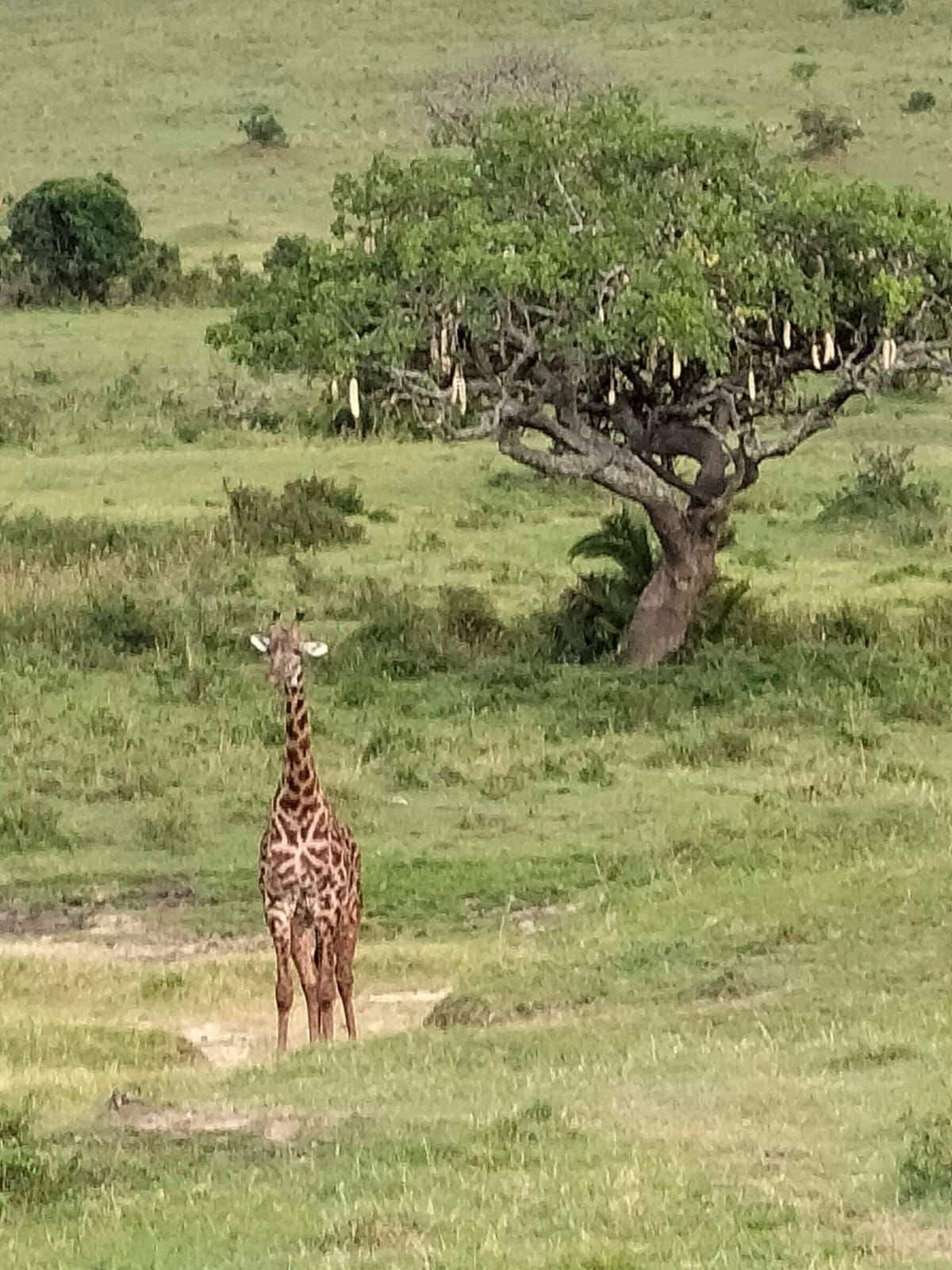
The most immediate difference is scale. The Serengeti is roughly ten times the size of the Maasai Mara, spanning nearly 15,000 km² of open grassland, rocky outcrops (kopjes), riverine forest, and woodland. The Mara, by contrast, is a much smaller, hillier reserve with fewer trees – the result of elephants clearing much of the woodland over past decades – which actually makes game viewing easier, since wildlife has fewer places to disappear into.
If you want a sense of true, sprawling wilderness with hours of driving between sightings, the Serengeti delivers that scale. If you’d rather maximize your sightings-per-hour in a more compact area, the Mara’s smaller size works in your favor.
The Great Migration: Timing Is Everything
This is where the two destinations genuinely diverge, and it should be the deciding factor for migration-focused travelers.
- Serengeti: Hosts the migration for roughly nine months of the year, since the herds move continuously within its borders. January–March brings the calving season in the southern plains (around 8,000 wildebeest calves born daily), followed by the herds moving northwest through April and May, then the Grumeti River crossings in June and July.
- Maasai Mara: The migration is only present here from roughly July to October, when over a million wildebeest cross the Mara River from the Serengeti. It’s a shorter window, but it delivers the single most dramatic and photographed moment of the entire migration cycle – the river crossings themselves, with crocodiles waiting in the water below.
If your travel dates are flexible and you want migration wildlife guaranteed regardless of when you go, the Serengeti wins. If you’re specifically chasing the river-crossing spectacle and can travel in the July–October window, the Mara delivers it in a smaller, more concentrated space.
Cost Comparison
Money is often the deciding factor, and here the Mara has a clear edge. Kenya’s Maasai Mara is typically 20–40% cheaper than an equivalent Serengeti safari, driven by lower park fees, shorter transfers from Nairobi, and a wider range of budget and mid-range camps. The Serengeti’s higher price tag reflects its larger size – longer stays and more internal flights are often needed to properly cover the park – along with higher daily conservation fees.
As a rough benchmark, a short Mara safari can start from around $1,300–1,500 per person, while a comparable Serengeti trip often starts closer to $1,800–2,500 per person. Neither figure includes international flights, and both rise quickly with luxury accommodation or longer stays.
Wildlife and Big Cat Density
Both parks are strong Big Five destinations with reliable lion, leopard, elephant, and buffalo sightings. That said, there are some notable differences:
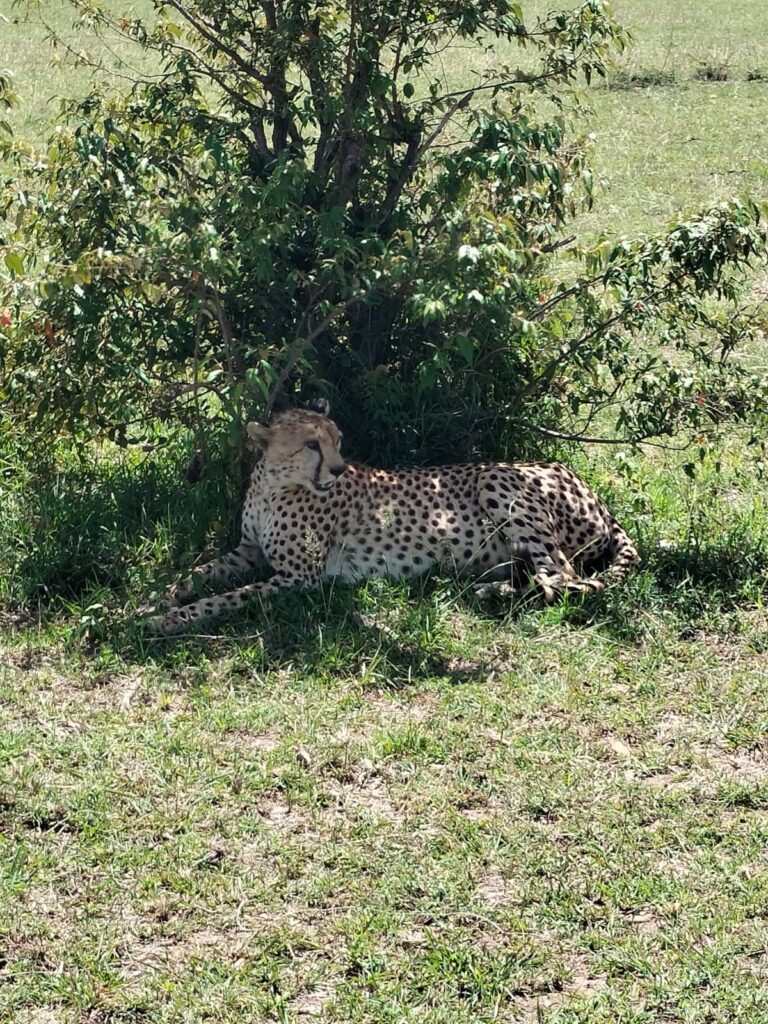
- Maasai Mara is renowned for an exceptionally high density of big cats, particularly lions and cheetahs, packed into a relatively small area – great news if predator sightings are your priority.
- Serengeti offers greater overall species diversity and a larger resident lion population spread across its vastly bigger territory, along with strong year-round Big Five sightings independent of the migration.
Neither park is short on wildlife. The difference is concentration versus scale.
Crowds and Atmosphere
The Mara’s smaller size and closer proximity to Nairobi make it significantly more popular, which means more vehicles at popular sightings, especially during peak migration season. The Serengeti’s sheer size spreads visitors out more naturally, and its remote northern camps in particular offer a genuinely quieter, more exclusive feel – though this comes at the cost of longer drives between sightings.
If an intimate, less-crowded experience matters more to you than convenience, the Serengeti has the advantage. If you’d rather maximize sightings in a shorter trip and don’t mind sharing the view with other vehicles during peak season, the Mara remains an excellent choice.
Getting There
- Maasai Mara: A 45-minute flight or a 5–6 hour road transfer from Nairobi, Kenya’s main international gateway.
- Serengeti: Roughly a 1-hour flight or an 8-hour drive from Arusha, Tanzania’s safari gateway town.
Kenya’s shorter transfer times and denser flight network make the Mara logistically easier for shorter trips, while the Serengeti often requires more internal travel to move between its different regions.
So, Which Should You Choose?
Choose the Maasai Mara if:
- You’re a first-time safari traveler or have limited time
- You want to see the dramatic Mara River crossings specifically (July–October)
- Budget is a significant factor
- You want the highest possible density of big cat sightings
Choose the Serengeti if:
- You have more time and a bigger budget
- Your travel dates fall outside July–October, or you want migration wildlife guaranteed year-round
- You want a more remote, less-crowded safari experience
- You’re drawn to the sheer scale of unbroken wilderness
Can’t decide? Do both. Since the Mara and Serengeti sit within the same ecosystem, a combined itinerary that covers both sides of the border is entirely feasible and lets you experience the migration from two different angles in a single trip.
Frequently Asked Questions
Is the Maasai Mara or Serengeti better for the Great Migration?
It depends on your dates. The Serengeti hosts the migration for most of the year across its different regions, while the Mara only sees it from roughly July to October – but that window includes the famous Mara River crossings, the most dramatic single event in the entire migration cycle.
Which is cheaper, Maasai Mara or Serengeti?
The Maasai Mara is generally 20–40% cheaper than the Serengeti, thanks to lower park fees, shorter transfers from Nairobi, and more budget and mid-range accommodation options.
Can I visit both the Maasai Mara and the Serengeti on one trip?
Yes. Since they’re part of the same cross-border ecosystem, many travelers combine both parks into a single itinerary, often flying between the two to make the most of limited time.
Which park has more wildlife, the Mara or the Serengeti?
Both are exceptional Big Five destinations. The Mara has a higher density of big cats in a smaller area, while the Serengeti offers greater species diversity spread across a much larger territory.
Is the Maasai Mara too crowded during migration season?
It can get busy at popular river-crossing points during peak season (July–October), since the reserve is smaller and easier to access from Nairobi. The Serengeti’s larger size generally means fewer vehicles per sighting, though this varies by camp and region.
Which is better for a first-time safari, Maasai Mara or Serengeti?
The Maasai Mara is usually recommended for first-timers – it’s more affordable, easier to reach, and delivers a high concentration of wildlife sightings in a shorter trip, which suits travelers with limited time or a first safari on a budget.
Plan Your Mara or Serengeti Safari With Us
Whichever side of the border calls to you, the itinerary you build around it matters just as much as the park itself. At Dun Travel Safaris, we help travelers weigh exactly these trade-offs – cost, timing, crowds, and what you actually want to see – before locking in a plan. Take a look at our Maasai Mara safari options or get in touch with our team to talk through what fits you best.