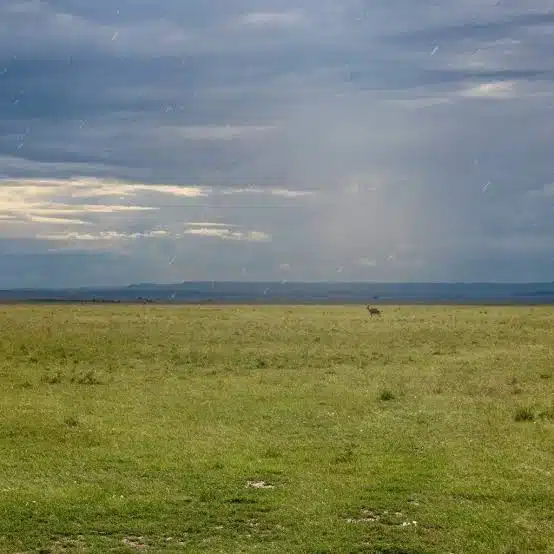
By Dun Travel Safaris | Updated October 2026
You booked your Kenya safari months ago. Now the news says El Niño is here.
Should you cancel? Short answer: probably not. But you should plan smarter.
This guide explains what is happening. It also shows where to go, what to pack and how to stay safe.
What Is El Niño (and What Does It Mean for Kenya)?
El Niño is a natural climate pattern. It starts with warm ocean water in the tropical Pacific. It happens every two to seven years.
El Niño is not rain itself. It changes weather patterns across the world. In East Africa, it often brings heavier short rains from October to December. Kenya Met explains this in its latest briefing.
The Indian Ocean Dipole (IOD) also matters. It can make El Niño’s effects stronger or weaker.
What Are Forecasters Saying for 2026?
The forecast is serious. But it is not a reason to panic.
- Kenya Met says there is an 81 per cent chance of a very strong El Niño. It also says there is a 97 per cent chance it lasts into early 2027. (Eastleigh Voice)
- Heavy rain is expected from October to December. El Niño could last until February 2027. (The Standard)
- Most parts of Kenya should see the rains start between the second and fourth weeks of October. Western Kenya may see them earlier.
- Officials say this event should not automatically be compared with the extreme 1997–98 El Niño.
Forecasts are probabilities. They are not promises. Always check the latest update from the Kenya Meteorological Department before you travel.
Is Kenya Still Worth Visiting During El Niño?
For most travelers, yes. But it depends on your trip.
The rains are a risk for some activities. They are a bonus for others. Here is the honest picture.
The Pros
- Lower prices. The green season runs from November to May. It is cheaper than the dry months. (Adventure Safari Network)
- Wildlife is still there. Lions, cheetahs, leopards and elephants live in the Mara all year.
- Short showers. Rain often comes as short afternoon bursts. Clear skies usually follow. (Go2Africa)
- Baby animals. November is a busy time for newborn antelope, topi and impala.
- Great birding. Migratory birds arrive in the green season.
- Better photos. Animals stand out against green grass. Storm skies add drama.
- Fewer crowds. Parks feel quieter than in July and August.
The Cons
- Muddy roads. Some tracks get slow or hard to pass.
- Flash floods. Heavy storms can cut off roads, rivers and airstrips.
- Delays. Flights and transfers may need extra time.
- Closed lodges. Some camps close in the wet months. Others stay open and drop their rates. (SafariBookings via Rooster)
- More mosquitoes. Wet weather raises the need for bite protection.
- Festive crowds. Late December is busy, even in the rains.
The 2023–24 El Niño was severe. It brought floods and landslides that killed hundreds of people across Kenya. (Eastleigh Voice) That is why smart planning matters.
Where to Go (and Where to Be Careful)
Not every region reacts the same way. Here is a quick guide.
Maasai Mara
The Mara turns lush and green in November. Showers are usually short and come in the afternoon. (Go2Africa)
In the main reserve, vehicles must stay on tracks. In private conservancies, guides can sometimes go off-road. That can help them drive around a storm.
The Mara can get muddy. Ask your operator about road conditions before you go. Consider flying in instead of driving.
Amboseli
Amboseli is dry and dusty for much of the year. Rain can bring green plains and great birding. It can also cloud your view of Mount Kilimanjaro. Plan extra days in case the peak is hidden.
Tsavo and the Coast
Heavy rain can affect roads in Tsavo. Coastal areas can get very wet. Check conditions before you travel overland.
Laikipia, Samburu and the Highlands
These areas can offer a quieter alternative. Check the latest forecast for each region. Impacts vary from place to place.
Mount Kenya
Trekking in heavy rain is harder. Trails get slippery and cold. Choose your dates carefully, or pick a lower-altitude alternative.
Not sure which region suits your dates? Talk to the Dun Travel Safaris team. We will match your trip to the season.
Smart Tips for a Safari in the Rain
Book Flexibly
- Choose a flexible or refundable booking if you can.
- Buy travel insurance that covers weather delays and cancellations.
- Ask your operator about their rebooking policy.
Build in Buffer Days
- Avoid tight connections on the day you fly home.
- Add a spare night in Nairobi at the start or end.
- Keep your schedule relaxed.
Consider Flying Between Parks
- Short flights can skip muddy or flooded roads.
- Ask your operator which routes are safest.
Pick Your Vehicle and Guide Carefully
- Use a well-maintained 4×4 safari vehicle.
- Choose an experienced local driver-guide. They know which tracks to trust.
Stay Informed
- Check Kenya Met for forecasts.
- Check your government’s travel advisory.
- Ask your operator for live road updates during the trip.
Health and Safety in the Rains
Malaria is present in most of Kenya below 2,500 metres. That includes the main safari areas. Mosquitoes are most active from dusk to dawn.
- See a travel doctor 4 to 6 weeks before you fly.
- Ask about malaria tablets and routine vaccines.
- Use insect repellent. Wear long sleeves at dusk.
- Sleep under a net if one is provided.
- Drink only bottled or treated water.
Read the official guidance on the CDC travel health page for Kenya. Always follow your own doctor’s advice.
What to Pack for a Kenya Rain Safari
- A light waterproof jacket or poncho
- Quick-dry shirts and trousers
- A warm layer for cool mornings and evenings
- Closed shoes with good grip
- A dry bag or waterproof cover for your camera
- Zip-lock bags for phones and documents
- Insect repellent
- Sunscreen and a hat (the sun still comes out)
- Binoculars, for birding
- Any prescribed medicine
Our Verdict: Should You Go?
If you are flexible, go. The green season is beautiful. It is also good value.
If your dates are fixed and your itinerary is tight, talk to your operator first. A few changes can make a big difference.
If you plan to visit remote areas or trek Mount Kenya, be extra careful. Choose your dates and routes with local advice.
Rain does not ruin a safari. Poor planning does.
Ready to plan? Explore safari options with Dun Travel Safaris. Or send us a message with your dates.
Frequently Asked Questions
Is it safe to travel to Kenya during El Niño?
For most travelers, yes. Tourist areas keep operating. But heavy rain can cause floods, landslides and road delays. Check forecasts, use a trusted local operator and stay flexible.
When will El Niño rains start in Kenya in 2026?
Kenya Met expects the rains to begin between the second and fourth weeks of October in most areas. Western Kenya may see them earlier. Forecasters say the effects could last into early 2027.
Will the rain ruin my safari?
Usually not. Rain often comes in short afternoon showers. Mornings are often clear. Wildlife is still active. You may even get better photos and quieter parks.
Can I still see wildlife in the Maasai Mara in November?
Yes. Lions, elephants, cheetahs and other resident animals live in the Mara all year. November also brings newborn animals and lush grass.
Should I cancel or postpone my Kenya trip?
It depends on your plans. Flexible travelers can often go ahead. If your trip is high-risk or tightly timed, ask your operator about changing dates. Check your travel insurance terms first.
Is Kenya cheaper during the rainy season?
Often, yes. The green season brings lower rates at many lodges. Some camps close, but others stay open and offer discounts. Festive dates in late December are the exception.
Do I need malaria tablets for a rainy-season safari?
Malaria risk exists in most safari areas. Speak to a travel doctor at least 4 to 6 weeks before you fly. Wet weather can mean more mosquitoes, so use repellent every evening.
How do I get the latest weather updates?
Check the Kenya Meteorological Department. Ask your safari operator for live updates. Check your embassy’s travel advice too.
Forecasts and conditions change quickly. Always confirm the latest information before you travel.