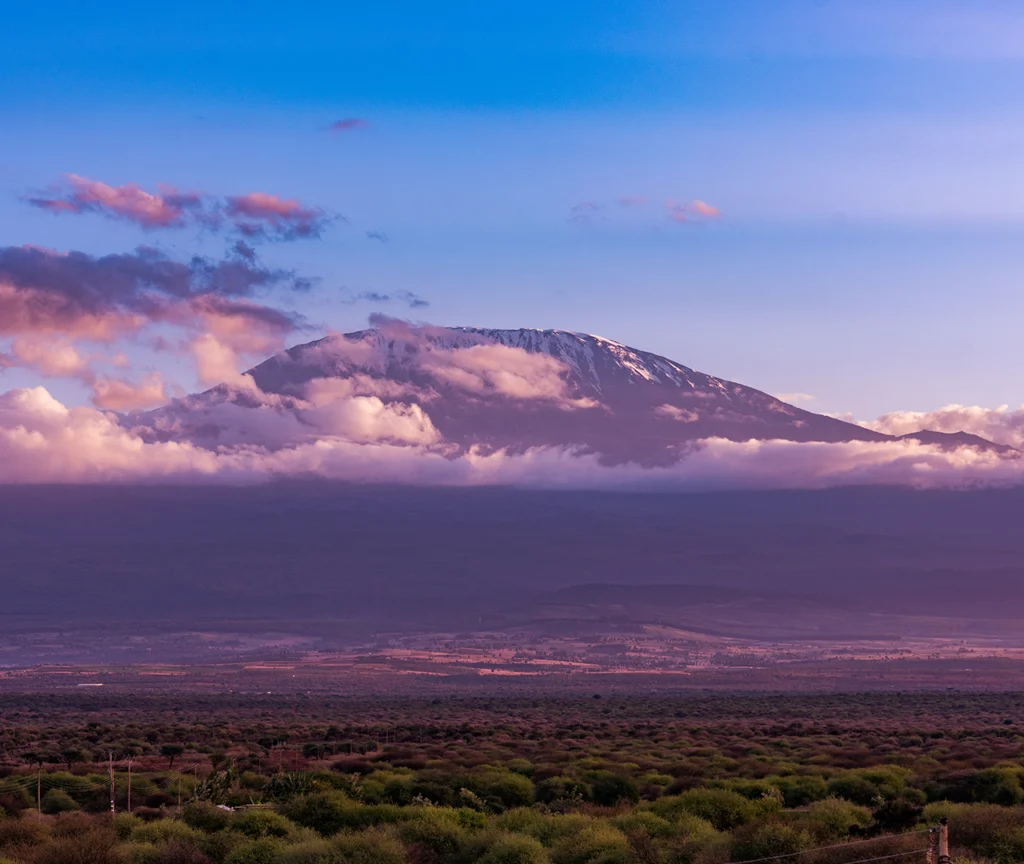
Short answer: at least 7 days on the mountain. Fewer days are possible. But they come with real risks. Here’s why days matter more than almost anything else on Kilimanjaro, and how to pick the right length for you.
Why Days Matter More Than Fitness
Kilimanjaro isn’t hard because of steep climbing. It’s hard because of altitude. At 5,895 metres, the air holds about half the oxygen you get at sea level. Your body needs time to adjust to that. Fitness doesn’t speed this up. Time does.
This is the single biggest factor in whether you reach the summit. Not how strong you are. Not how many times you’ve been to the gym. How many days you spend acclimatizing.
The Minimum: 5 Days
Some routes offer a 5-day climb. It’s the fastest way up. It’s also the riskiest.
Five days gives your body very little time to adjust to the altitude. Summit success rates on 5-day routes are noticeably lower than longer options. Altitude sickness is also more common. We don’t recommend this length unless you have strong prior high-altitude experience.
The Minimum: 5 Days
Some routes offer a 5-day climb. It’s the fastest way up. It’s also the riskiest.
Five days gives your body very little time to adjust to the altitude. Summit success rates on 5-day routes are noticeably lower than longer options. Altitude sickness is also more common. We don’t recommend this length unless you have strong prior high-altitude experience.
The Sweet Spot: 7-8 Days
Most experienced trekkers and guides agree: 7 to 8 days is the real minimum for a safe, comfortable climb. This length allows your body proper time to adjust, without dragging the trip out longer than it needs to be.
Our Kilimanjaro Climb via the 7-Day Lemosho Route sits right in this range. It’s one of the most recommended lengths on the mountain, and for good reason – enough days to acclimatize properly, without an unnecessarily long trip.
The Safest Option: 9 Days
If you want the highest possible chance of reaching the summit, more days help. A 9-day itinerary, like our Machame Route or Umbwe Route treks, builds in extra acclimatization days. This matters most for climbers who are older, have less hiking experience, or simply want to give themselves the best odds.
A Quick Comparison
| Days | Summit Success | Best For |
| 5 days | Lower | Experienced high-altitude climbers only |
| 6 days | Moderate | Fit climbers with some time pressure |
| 7–8 days | Good | Most first-time trekkers |
| 9 days | Highest | Beginners, older climbers, those prioritizing safety |
Why More Days Actually Helps
Here’s the simple idea behind it: walk high, sleep low. Each day, you climb to a higher point, then come back down to sleep at a lower camp. This teaches your body to handle less oxygen, step by step. More days means more of these cycles. More cycles means better acclimatization. Better acclimatization means a safer, more enjoyable climb – and a much better shot at the summit.
What Happens If You Rush It?
Climbers who choose the shortest routes face a few real risks:
- Higher chance of altitude sickness. Headaches, nausea, and exhaustion are common when the body hasn’t had enough time to adjust.
- Lower summit success. Many climbers on rushed itineraries don’t make it to the top.
- Less time to enjoy the mountain. Kilimanjaro’s five climate zones – rainforest, moorland, alpine desert, and more – are part of what makes the trek memorable. A rushed route moves through them too fast to really take them in.
Our Recommendation
If this is your first big mountain, choose 7 days at minimum. If you can take 8 or 9, even better. The extra day or two costs more in time and park fees. But it buys you something far more valuable: a real, well-earned shot at standing on Uhuru Peak.
Not sure which route and length fits your fitness level and schedule? Get in touch with our team, or browse our full range of Kilimanjaro trekking options to compare routes side by side.