Yes. Beginners climb Kilimanjaro every single day.
You don’t need climbing experience. You don’t need ropes or technical skill. Kilimanjaro is a trek, not a climb in the mountaineering sense. But “yes” isn’t the whole answer. Let’s talk about what actually matters.
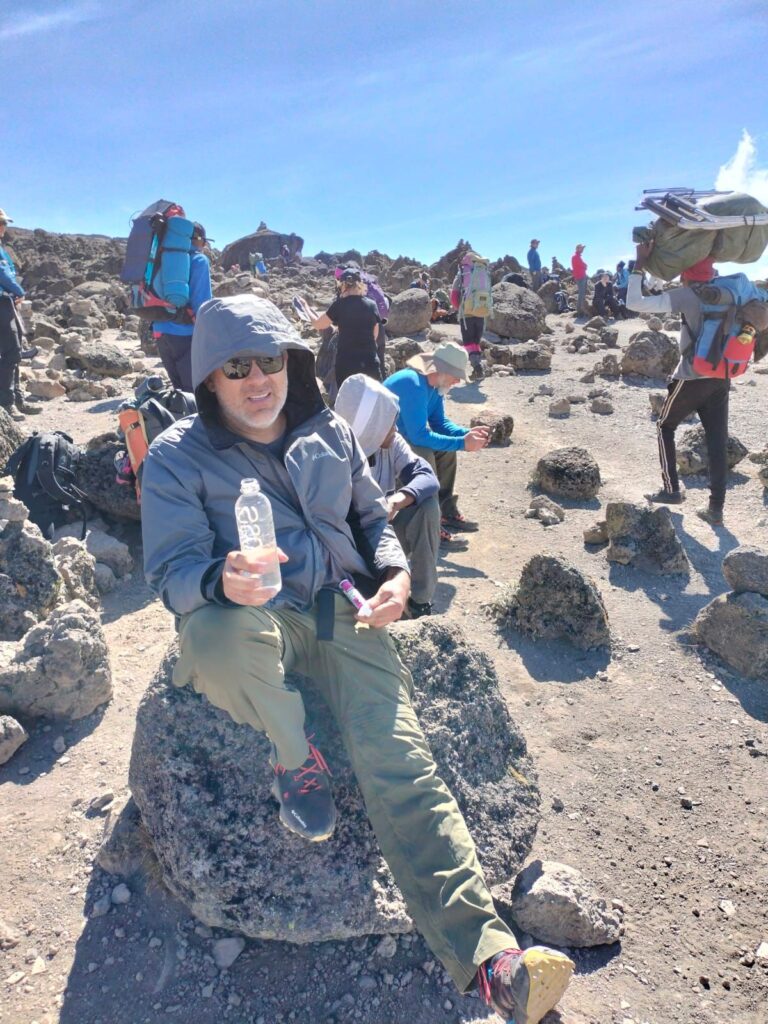
What “Beginner” Really Means Here
Kilimanjaro doesn’t require rock climbing. It doesn’t require ice axes or ropes. Every standard route is a walking trail, start to finish.
So when we say beginners can climb it, we mean this: no prior mountaineering experience is required. You don’t need to have summited another peak first.
But there’s a catch. “No technical skill needed” doesn’t mean “no preparation needed.” That’s where most first-time failures actually happen.
The Real Challenge Isn’t Skill. It’s Altitude.
Kilimanjaro’s summit sits at 5,895m. That’s the real obstacle, not the walking itself.
At that height, the air holds far less oxygen than at sea level. Your body needs time to adjust. This is called acclimatization, and it’s the single biggest factor in whether beginners succeed on this mountain.
Fitness helps. But fitness alone doesn’t prevent altitude sickness. We’ve guided very fit trekkers who struggled, and less athletic trekkers who summited comfortably. The difference almost always comes down to pace and time, not gym strength.
What Actually Determines Success for Beginners
1. Route length Longer routes give your body more days to adjust. Shorter routes compress that time. For beginners, we generally recommend a 7-day route or longer, not the shortest options.
2. Pace Guides often say “pole pole,” which means “slowly, slowly” in Swahili. This isn’t just a saying. Walking slowly, even when you feel capable of moving faster, genuinely helps your body acclimatize.
3. Hydration and appetite Altitude often reduces appetite, even when you’re not otherwise unwell. Eating and drinking on schedule, not just when you feel like it, matters more than most beginners expect.
4. Your guide’s experience A good guide reads how you’re doing, adjusts pace, and knows the early signs of altitude sickness before they become serious. This matters more for beginners than for experienced high-altitude trekkers.
What Beginners Should Actually Prepare
You don’t need previous climbing experience. But some preparation genuinely helps:
- General cardio fitness — regular walking, hiking, or cardio training in the weeks before your trip
- Multi-hour walks with a daypack — getting comfortable walking for hours at a time
- Properly broken-in hiking boots — new boots on summit day is a common, avoidable mistake
- A realistic mindset about pace — beginners who try to keep up with faster trekkers often struggle more than those who accept a slower rhythm
None of this requires athletic background. It requires consistency in the weeks before you go.
Who Might Want Extra Preparation First
Kilimanjaro is genuinely achievable for most healthy beginners. But a few groups benefit from extra thought beforehand:
- Anyone with a heart or lung condition should speak to a doctor first
- Complete beginners to hiking, not just to mountains, may want to build up walking fitness over a few months first
- Anyone extremely short on time, forced into the shortest available route, takes on real added risk
The Honest Bottom Line
Beginners absolutely can climb Kilimanjaro. Thousands do every year, with no prior mountaineering experience at all.
But “can” isn’t the same as “will, with zero preparation.” Choosing a longer route, walking slowly, and going with an experienced guide are what actually turn “possible” into “likely.”
Climb Kilimanjaro With Dun Travel Safaris
We’ve guided trekkers of every experience level up Kilimanjaro, including complete first-timers. Our guides know how to pace a beginner properly, and we’ll tell you honestly if your chosen route and timeline actually give you a fair shot at the summit.
View our Kilimanjaro trekking packages →
Not sure if you’re ready? Chat with us directly on WhatsApp. We’ll talk it through honestly before you book anything.
Frequently Asked Questions
Do I need hiking experience to climb Kilimanjaro? No. Kilimanjaro is non-technical. Prior hiking experience helps with fitness and confidence, but it isn’t required.
What’s the biggest mistake beginners make on Kilimanjaro? Choosing too short a route. A compressed schedule leaves less time to acclimatize, which raises the risk of altitude sickness regardless of fitness level.
How fit do I need to be for Kilimanjaro as a beginner? Reasonable cardio fitness helps, but you don’t need to be an athlete. Regular walking or hiking training in the weeks beforehand makes a real difference.
Is Kilimanjaro safe for first-time trekkers? Yes, with a longer route, proper pacing, and an experienced guide. Most serious risks come from rushing the schedule, not from the trek itself.
Should beginners try a shorter or longer Kilimanjaro route? Longer, generally. More days on the mountain means more time to acclimatize, which meaningfully improves both comfort and summit success for first-timers.