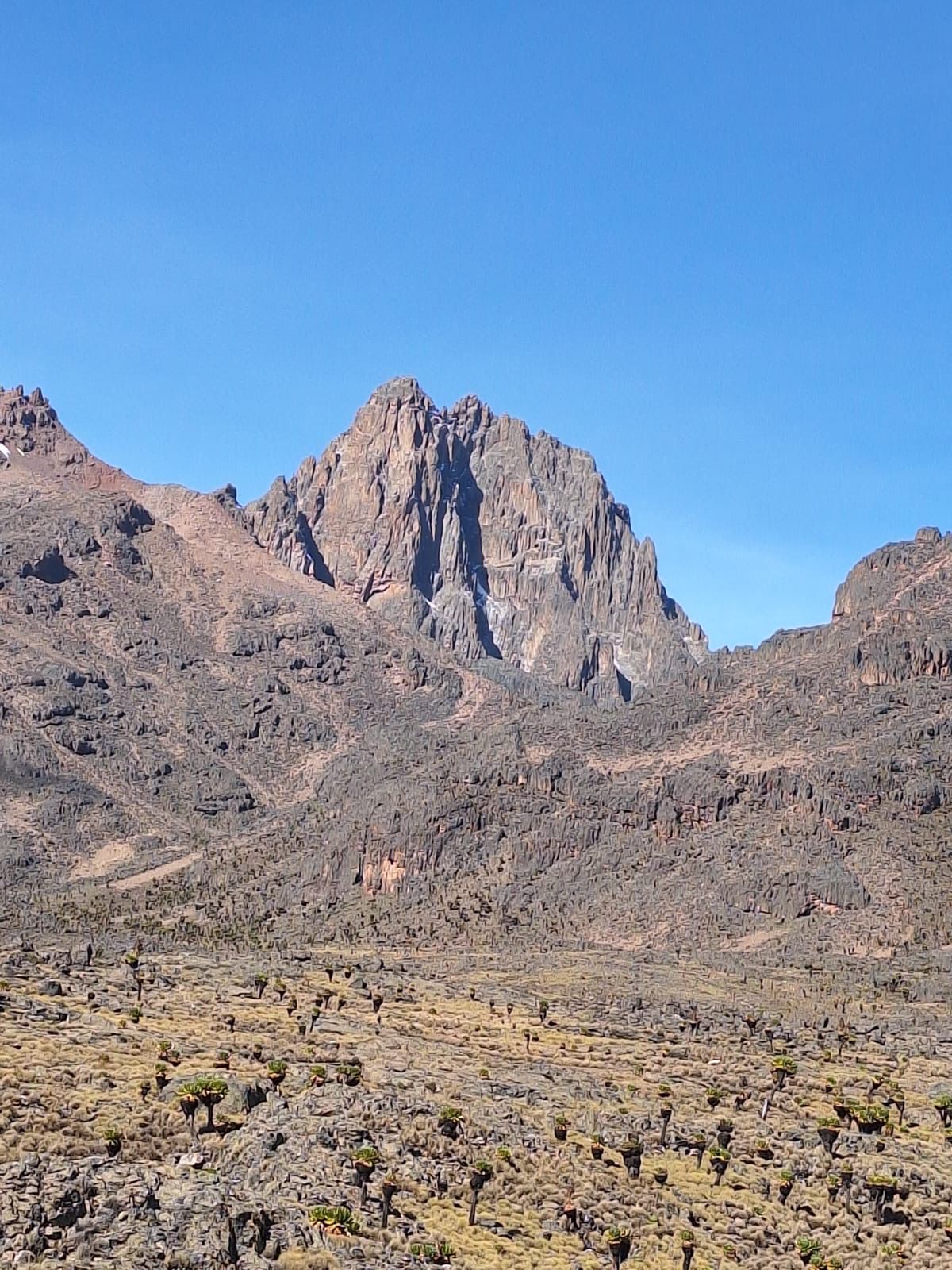
You don’t need to be an athlete to climb Mt. Kenya. But you do need to prepare. Six weeks of consistent training makes a real difference, both in how the climb feels and in your chances of reaching Point Lenana comfortably.
Here’s a simple, practical plan. No gym membership required.
What You’re Actually Training For
This isn’t about lifting heavy weights or running fast. Mt. Kenya rewards a different kind of fitness: the ability to walk for hours, on uneven ground, carrying a light daypack, day after day.
Your training should mirror that. Cardio endurance matters more than raw strength. Time on your feet matters more than intensity.
Week 1-2: Build a Base
Start with regular walking. Aim for 3 to 4 walks per week, 30 to 45 minutes each. If you have access to hills or stairs, use them. Altitude gain, even small amounts, trains muscles you’ll rely on later.
Add two short sessions of general cardio, like cycling, swimming, or brisk walking. Keep the intensity moderate. The goal right now is consistency, not exhaustion.
By the end of week 2, you should be comfortable with: a 45-minute walk, including some hills, without feeling wrecked afterward.
Week 3-4: Increase Duration
Now extend your walks. Aim for one longer walk per week, 90 minutes to 2 hours, ideally on varied terrain. This is where you start building real trekking endurance, not just general fitness.
Keep your other walks at 30 to 45 minutes, but add a daypack with some weight, even just 3 to 5 kg. This gets your body used to carrying gear, which matters more than people expect.
Continue your two cardio sessions each week. If you can, start one of them on stairs or an incline, which closely mimics the demands of the mountain.
By the end of week 4, you should be comfortable with: a 2-hour walk with a light pack, on hilly terrain, without significant fatigue the next day.
Week 5: Peak Training Week
This is your hardest training week. Aim for one long walk of 3 to 4 hours, ideally with a loaded daypack, on the hilliest terrain you can find nearby. Treat it like a genuine rehearsal for the mountain.
Keep your shorter walks going through the week, but ease off the intensity slightly. You’re building toward the long walk, not exhausting yourself before it.
By the end of week 5, you should be comfortable with: a half-day walk with a pack, on varied terrain, finishing tired but not depleted.
Week 6: Taper and Rest
This week is about arriving at the mountain rested, not exhausted. Cut your training volume by about half. Keep movement gentle: short walks, light stretching, and good sleep.
This isn’t laziness. Tapering before a big physical effort is a well-established practice in endurance training. Your body needs the rest to actually benefit from the previous five weeks of work.
By climb day, you should feel: physically ready, well-rested, and mentally confident, not run down from training too hard right up to departure.
Beyond Walking: A Few Extra Habits Worth Building
Practice in your actual boots. Every long walk in this plan should be done in the boots you’ll wear on the mountain. This is also how you break them in properly, avoiding blisters later.
Train your breathing. Simple breathing exercises, like slow, deep breaths during exertion, can genuinely help you manage effort at altitude later.
Stay consistent with hydration now. Building a habit of drinking water regularly during training carries over directly to good habits on the mountain, where hydration matters even more.
Don’t skip sleep. Good sleep during training weeks supports real fitness gains. It’s not just recovery, it’s part of how your body actually improves.
What If You’re Starting From a Lower Fitness Base?
If six weeks feels tight, that’s completely normal, and it’s still worth starting. Even partial training is far better than none. Focus on consistency over intensity. Three shorter walks a week, done reliably, beats one exhausting session followed by days of nothing.
If you’re genuinely new to regular exercise, consider extending this plan to 8 or 10 weeks instead of 6, simply repeating the early weeks for longer before progressing.
A Note on Fitness vs. Altitude
Here’s something worth understanding clearly: fitness helps you enjoy the climb more, but it doesn’t prevent altitude sickness on its own. Altitude sickness is caused by insufficient acclimatization time, not poor fitness. We’ve guided very fit trekkers who struggled, and less athletic trekkers who summited comfortably.
Good fitness makes the walking easier. Good route choice and pacing are what actually protect you from altitude sickness. Both matter, but they’re solving different problems.
Train Well, Climb With Dun Travel Safaris
We’ve guided trekkers of every fitness level up Mt. Kenya for over 20 years. We’ll help you pick a route that matches your fitness and timeline honestly, and support you with proper pacing on the mountain itself.
View our Mt. Kenya trekking packages →
Questions about training or route choice? Chat with us directly on WhatsApp. We’re happy to help you prepare properly before you book.
Frequently Asked Questions
Do I need to be very fit to climb Mt. Kenya? No. Reasonable fitness helps, but you don’t need to be an athlete. Consistent walking-based training over several weeks makes a real difference.
How long should I train before climbing Mt. Kenya? Six weeks is a solid, practical minimum for most people. Starting from a lower fitness base, 8 to 10 weeks gives you more time to build up safely.
Does fitness prevent altitude sickness? Not on its own. Fitness makes the walking easier, but altitude sickness is mainly about acclimatization time, not physical fitness. Route choice and pacing matter just as much.
Should I train with a weighted pack? Yes, especially in the later weeks. Carrying a light daypack during training gets your body used to the real conditions you’ll face on the mountain.
What if I can’t commit to six full weeks? Some training is always better than none. Focus on consistency, even with shorter sessions, rather than skipping training altogether.